
Table of Contents
- Why oxygen threatens opened wine quality: understanding oxidation
- How argon gas protects wine: creating an inert protective layer
- Choosing the right wine preservation system: argon vs alternative methods
- Essential components of effective wine preservation systems and kits
- Argon gas vs other wine preservation methods: vacuum pumps, nitrogen, and CO₂
- Gas cartridge capacity and management: serving multiple bottles with one canister
- How to preserve wine longer: optimising argon preservation performance
- Wine preservation for restaurants: professional argon gas applications
- Coravin-compatible gas cartridges and accessories for wine preservation
- How to use argon gas wine preservation: pouring and service techniques
- Frequently Asked Questions
Why oxygen threatens opened wine quality: understanding oxidation
The moment the cork is pulled from a bottle of wine, oxygen begins to alter its delicate flavours and aromas. Within a few days, oxidation can turn a vibrant fine wine into something muted and less precise. This is why wine professionals work so carefully to limit oxygen exposure, both during winemaking and once opened.
To counter this risk and protect any remaining wine, the Wikeeps wine preservation system uses argon gas to create an invisible barrier above the wine. In practice, this helps preserve the wine in the condition intended by the winemaker, even weeks after opening.
How argon gas protects wine: creating an inert protective layer
Argon is a dense, inert gas that does not react with wine. Once introduced into the bottle, it forms a protective layer above the wine’s surface and limits contact with oxygen: this is how argon gas helps protect wine from oxidation. Unlike vacuum pumps, which reduce pressure but cannot fully prevent exposure over time, pure argon gas remains in place and helps keep stored wine protected.
For the best results, use the Wikeeps wine preservation system immediately after pouring. Once oxidation has started, its effects on taste and aroma cannot be reversed.
The science behind food-grade inert gas preservation: pure argon and CO₂ blends for wine
Premium systems such as Wikeeps Timeless use food-grade gas cartridges containing a blend of 90% argon and 10% CO₂. The difference comes down to balance: this precise composition, similar to gases used in certain cellar practices, helps preserve the wine’s character once opened. Independent laboratory testing has shown that these food-grade oenological gas blends can preserve opened wine for more than 30 days while maintaining its organoleptic qualities without altering flavour.
The gas is supplied by Linde, a recognised specialist in oenological gases, which supports a high standard of consistency and reliability where preservation meets precision.
Choosing the right wine preservation system: argon vs alternative methods
Simple spray canisters suit occasional drinkers well, extending a bottle’s life by around two weeks. For serious enthusiasts and professionals, however, needle-through-cork systems such as Coravin provide stronger protection: they inject argon without removing the closure, allowing fine wines to remain stable for months.
Commercial wine preservation systems for restaurants and wine bars
Bars and restaurants often rely on Coravin’s wine preservation technology to serve 30 to 50 premium wines by the glass without spoilage, protecting margins on fine wine selections. Professional systems combine temperature control, UV protection, and advanced argon sealing. Some models preserve more than 120 bottles with a single cartridge, reducing waste whilst ensuring each pour meets exacting standards.
Argon-plus-CO₂ cartridges (21 ml) provide a food-grade, inert gas blend of approximately 79% argon and 21% CO₂, displacing oxygen in an opened bottle and preserving aroma and flavour for up to 30 days. Each cartridge serves roughly 18 standard glasses, or about three 75 cl bottles, and is compatible with Coravin-type systems. Argon wine preserver cartridges such as these are manufactured in the EU and are fully recyclable after use.
Essential components of effective wine preservation systems and kits
A complete wine preservation system goes beyond gas canisters alone. The Wikeeps Elite kit includes the core elements required for consistent service: a dispensing gun, stainless steel spout, sediment filter, preservation caps, and a cleaning brush. Together, these components help maintain bottle quality and support an airtight seal, where preservation meets precision.
The dispensing pistol injects inert gas and creates the pressure needed for a smooth pour. In practice, the best results, especially with delicate white wine, come when the glass remains in contact with or very close to the spout, which limits excessive foaming. A single squeeze delivers a measured serving whilst protecting the remaining wine in the open bottle.

Maintaining your wine preservation system: cleaning and storage tips
Rinse the spout after each use, then scrub it thoroughly with the supplied brush. This matters even more when alternating between red and white wines, as residue can carry flavour from one bottle to the next. Once opened, the bottle should be capped immediately with the wine preserver stopper, since skipping this step can lead to oxidation in the tube and affect later pours.
Regular maintenance keeps the system reliable over time. Inspect seals every few months, replace worn parts promptly, and store any open bottle upright in the fridge. From the first pour to the last, serving temperature also plays a role: reds are best at 15 to 18°C, whilst whites and rosés should remain well chilled.
Argon gas vs other wine preservation methods: vacuum pumps, nitrogen, and CO₂
Vacuum pumps remove air at first, yet each time the bottle is reopened, oxygen returns. As a result, freshness is typically preserved for only 2–4 days. Nitrogen is also inert; however, because it is lighter than argon, it does not create as protective a layer over the wine.
Whilst CO₂ is effective for maintaining bubbles in sparkling wine and Champagne, it dissolves too readily in still wines and may alter their taste. The difference comes down to how each gas behaves in the bottle: for sparkling wines, precise pressure management is essential. This is why specialised systems such as Coravin Sparkling rely on controlled pressure rather than standard preservation methods, which do not keep Champagne fresh for as long.
When to combine argon gas preservation with aeration and filtering
Argon does not replace proper aeration. For bold reds that benefit from breathing time, decant first, then use a wine saver to serve by the glass whilst protecting the remainder. In practice, tools such as the Vin Wine Saver pair well with quick aerators: once the aromas have opened, seal the bottle to limit oxidation.
For aged wines that develop sediment, attach the filter before pouring. This ensures clarity whilst the wine is being served. From there, the same preservation logic applies when the bottle cannot be finished in one sitting, helping to prevent oxidation between servings.
According to the International Oenological Code, argon is approved as an inert processing aid for wine preservation. When wine is transferred or stored without exposure to air, the vessel may be purged with argon to create an oxygen-free environment, thereby reducing oxidative damage and preserving the wine’s sensory qualities. Argon wine preserver systems from Wikeeps comply with International Oenological Code standards and OIV regulations.
Gas cartridge capacity and management: serving multiple bottles with one canister
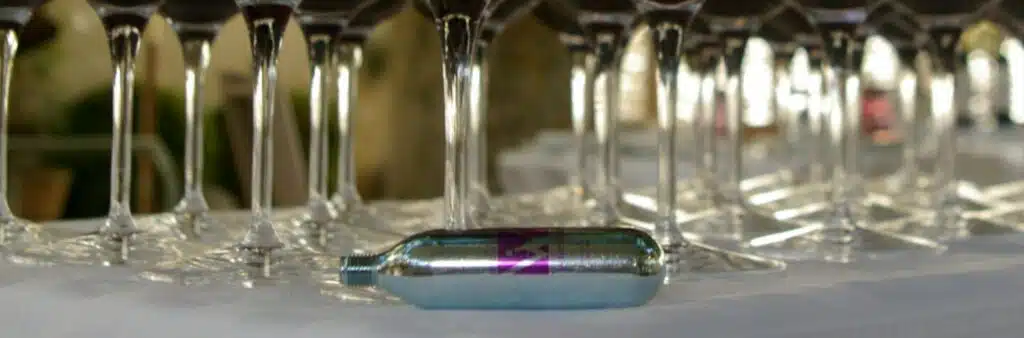
Each standard Coravin capsule, a hand-held canister of inert gas, contains 21 ml of argon and weighs approximately 6.5 grams. In practice, that usually equates to around 18 glasses, enough to protect three standard 750 ml bottles. This makes it well suited to serving several wines during a six-person tasting or dinner.
These 27 ml (8.5 g) argon-plus-CO₂ capsules contain a neutral, food-grade gas mixture: 80% argon and 20% CO₂. They are designed to protect opened still wines from oxidation, preserving aroma and flavour for up to 30 days. Manufactured in the EU and supplied by a recognised oenological gas specialist, they are compatible with Coravin Professional systems when fitted with the original plastic end cap. Argon wine preserver refills such as these are fully recyclable after use.
Replace cartridges as soon as pouring pressure begins to drop, particularly before larger events when demand will be higher. The right choice when planning service is to keep spare cartridges close at hand. If a canister runs empty mid-pour, the device must be removed, the bottle opened in the usual way, and the wine will begin oxidising immediately.
Recycling argon gas cartridges: disposal and sustainability
Empty cartridges may still contain compressed gas, so disposal should follow local recycling rules for pressurised metal containers. Store cartridges in their original packaging in a cool place to help maintain pressure integrity. From there, the wider benefit becomes clear: the system reduces wine waste by limiting spoilage and allowing service from an opened bottle for weeks rather than discarding unused portions. As a result, this can often offset the cost of a Coravin system within months in a restaurant setting.
How to preserve wine longer: optimising argon preservation performance
After pouring, reseal the bottle promptly by injecting fresh argon gas to maintain the protective layer. Store bottles upright in a cool, dark place: the refrigerator is particularly effective for whites. Proper storage helps keep the argon blanket stable and preserves the wine’s original character for longer.
Preservation time varies by wine style: delicate young reds tend to fade more quickly than fuller-bodied examples, whereas chilled whites usually retain their profile better than bottles kept at room temperature. In practice, the difference comes down to both the wine itself and the consistency of storage conditions.
Wine preservation limitations: what argon gas can and cannot do
Although argon helps prevent further oxidation, it cannot correct pre-existing faults such as cork taint or restore a wine that has already spoiled. For sparkling wines, a dedicated preservation solution is required, as the objective is to retain carbonation rather than simply seal the bottle.
Official guidance often suggests a preservation window ranging from several weeks to several months. Conversely, real-world performance depends heavily on handling, closure condition, and storage temperature. The right choice when aiming for longer preservation is careful technique from the first pour to the last.
Wine preservation for restaurants: professional argon gas applications
Premium wine bars rely on Coravin wine preservation technology to serve 30–50 fine wines by the glass without unnecessary spoilage, helping protect margins on high-value bottles. The system works by passing a fine needle through the cork while argon flows in to limit oxygen exposure. A suitable stopper or closure then supports an airtight seal, keeping each bottle in sound condition for an extended period once opened.
Leading hotels and restaurants often pair this preservation approach with inventory software to monitor pours and maintain service consistency. From there, staff training covers bottle handling, temperature control, and maintenance protocols, all of which matter during busy service. This is where preservation meets precision for teams working at pace.
Using argon preservation systems for wine tastings and events
Catering teams and wine professionals use portable Coravin units at multi-day events, allowing varied tasting flights to be served with less waste. Once opened, each bottle can be revisited later without the same pressure to finish it immediately, provided preservation steps are followed carefully.
Wine educators also value how this wine preservation system gives repeated access to reference bottles for classes and guided tastings. Students benefit by tasting wines in prime condition rather than oxidised samples. As a result, aroma, texture, and structure remain more consistent throughout a course.
Coravin-compatible gas cartridges and accessories for wine preservation
Always choose accessories designed specifically for the Coravin model in use, particularly argon gas cartridges, replacement needles, extra stoppers, and spare O-rings. Since some components are model-specific, checking compatibility prevents operational disruptions or leaks that could compromise wine preservation.
Wikeeps capsules are fully compatible with Coravin Professional systems: the capsule format and thread are identical. Users can remove and reuse Coravin’s black plastic end-cap adapter on Wikeeps replacement capsules for seamless compatibility.
High-volume venues may use several cartridges each week, whereas home users generally replace them every few months. Purchasing in bulk helps maintain a steady supply, reduces the cost per use, and ensures the wine preservation system remains reliable during important service periods.
Building a complete wine preservation toolkit with argon cartridges
Expand the basic setup with travel cases, additional sealing components, and specialised needles for alternative closures such as synthetic corks or wax seals. Keep cleaning materials within easy reach: poor maintenance, more than cartridge depletion, is what typically affects Coravin performance and long-term wine preservation quality.
Maintain a simple log to track cartridge usage, needle condition, and cleaning schedules. Routine inspections help ensure consistent protection, so the Coravin wine preservation system continues to deliver reliable pours without interruption.
How to use argon gas wine preservation: pouring and service techniques
Start by mastering the pouring technique: gently position the glass against, or just beneath, the spout for a smooth, controlled pour. This careful method limits splashing and helps preserve the delicate structure of white wine and other fine wine styles, whose subtle aromas can quickly dissipate when disturbed during the preservation process.
After pouring, promptly inject argon gas and secure the bottle with the preferred wine preservation system. Once opened, oxygen exposure begins immediately; conversely, inert argon forms an effective protective layer that helps shield the remaining wine from oxidation during storage.
Storing preserved wine: best practices after argon gas preservation
Store preserved bottles upright in a consistently cool place: a standard refrigerator works perfectly well. Let red wines warm slightly before serving, and avoid temperature fluctuations or direct sunlight, as these conditions can undermine preservation efforts even with a proper argon seal.
Label each preserved bottle with its opening date to track its development. In practice, whilst modern preservation methods can maintain wine quality for weeks, this simple step helps manage consumption and offers useful insight into how different wines evolve in a specific storage environment.
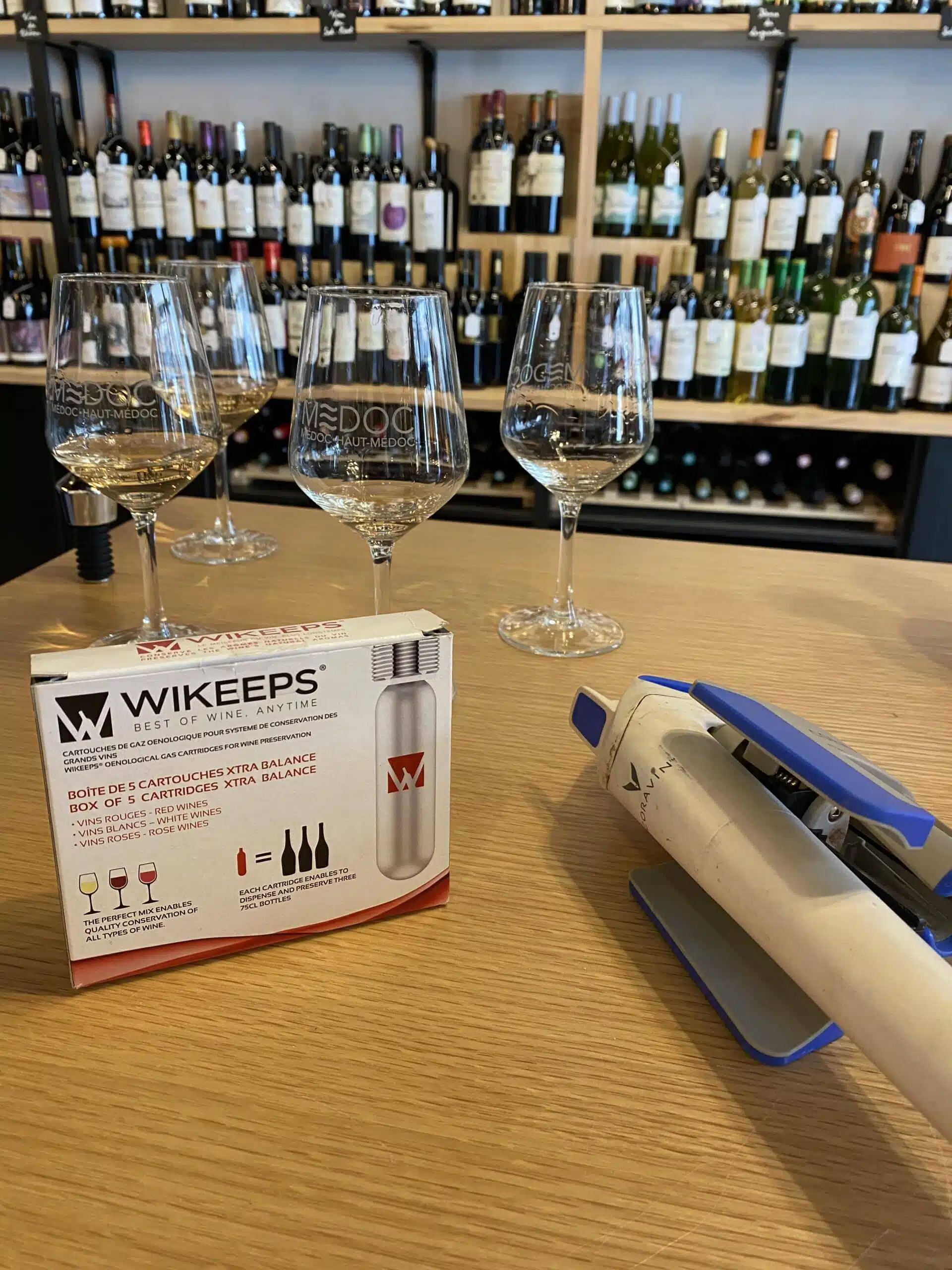
State-of-the-art wine preservation systems such as Coravin open up new possibilities: enjoying vintage comparisons over an extended period, offering a broader by-the-glass selection with less waste, or savouring fine wine one glass at a time. From there, refining argon technique shifts the experience from hurried consumption to measured enjoyment, from the first pour to the last.
Discover more about Wikeeps wine preservation solutions
Frequently Asked Questions
How long does argon gas preserve opened wine?
Premium argon-based wine preservation systems maintain the quality of opened wine for more than 30 days when used correctly. However, the difference comes down to the style of wine: delicate young reds and lighter whites may remain fresh for two to three weeks, whilst bold, full-bodied reds can retain their character for a month or longer. Storage temperature also matters: wines kept in a cool environment, such as the fridge for whites or a cool cellar for reds, generally last longer than those left at room temperature. Once opened, the key is to reseal the bottle immediately after pouring and store it upright so the protective argon layer remains in place.
Are Wikeeps cartridges compatible with Coravin systems?
Yes, Wikeeps capsules are fully compatible with Coravin Professional systems. The capsule format and thread are identical, which makes them a direct replacement. In practice, users can remove and reuse Coravin’s original black plastic end-cap adapter on Wikeeps replacement cartridges, ensuring seamless compatibility without the need for new equipment. As a result, Wikeeps argon wine preserver cartridges offer a practical and economical alternative for existing Coravin users.
What makes argon gas better than vacuum pumps for wine preservation?
Argon gas creates a more reliable protective barrier than a vacuum pump. Whilst a vacuum pump removes some air at first, each reopening allows oxygen to return, which usually limits freshness to two to four days. Conversely, argon is inert and heavier than air, so it settles over the wine and helps prevent further oxidation for a much longer period. From the first pour to the last, this is the right choice when flavour, aroma, and structure need to be preserved without compromise.